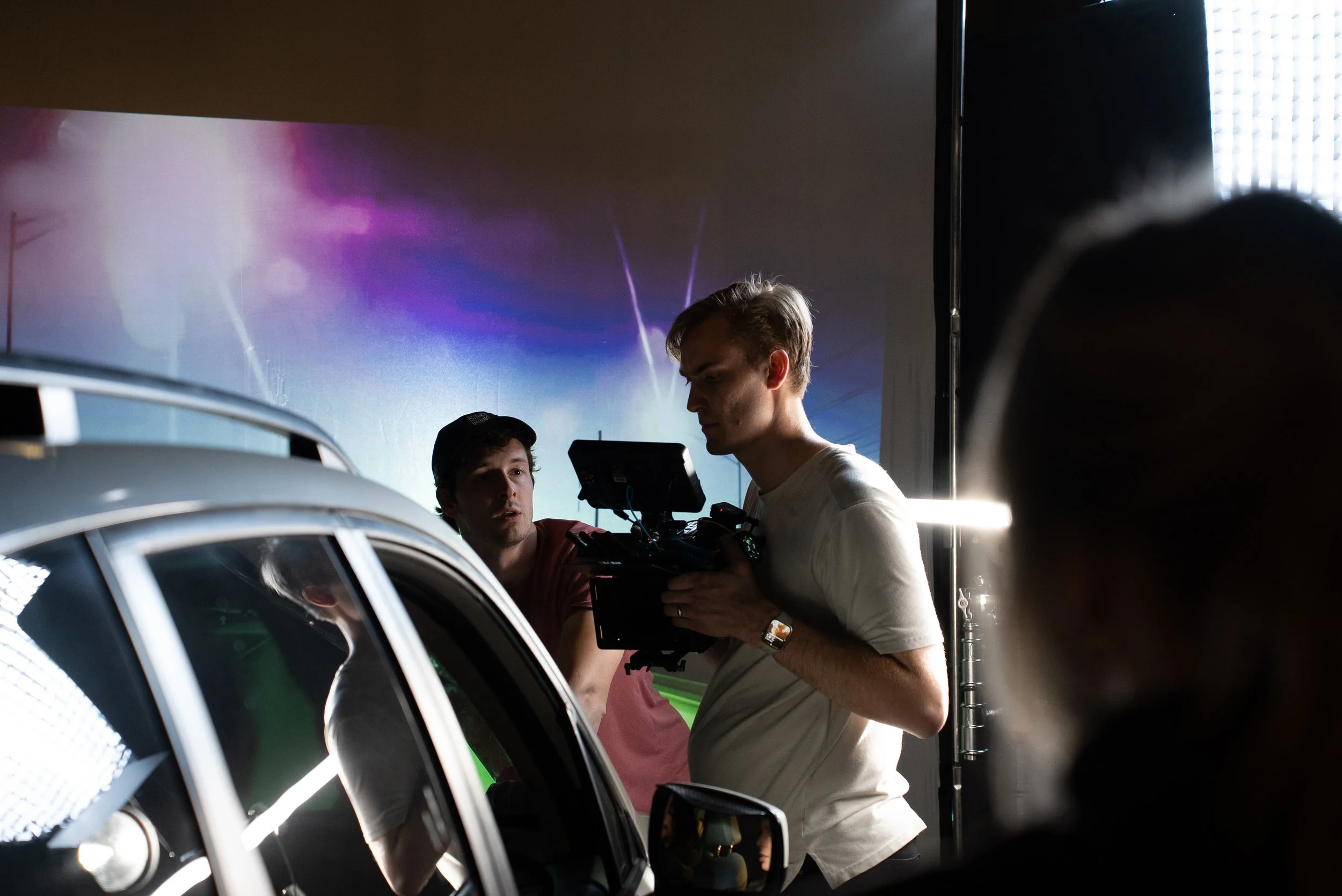

Lights, Stands, Action: A Breakdown of the Video Marketing Production Stage
By the time you reach the production stage, all major details should already be locked in—your shoot date, time, location, contractors, and any necessary rentals. Once those pieces are in place, it’s finally time to shoot.
At first glance, production may seem simple. Bring a camera, press record, and you’re done—right? Not quite. Creating professional, polished video content requires much more than a camera. A production crew must carefully set up equipment such as lighting, light-shaping tools (called flags), and audio equipment. This is where much of the time and effort goes, and understanding why helps explain how high-quality content is made.
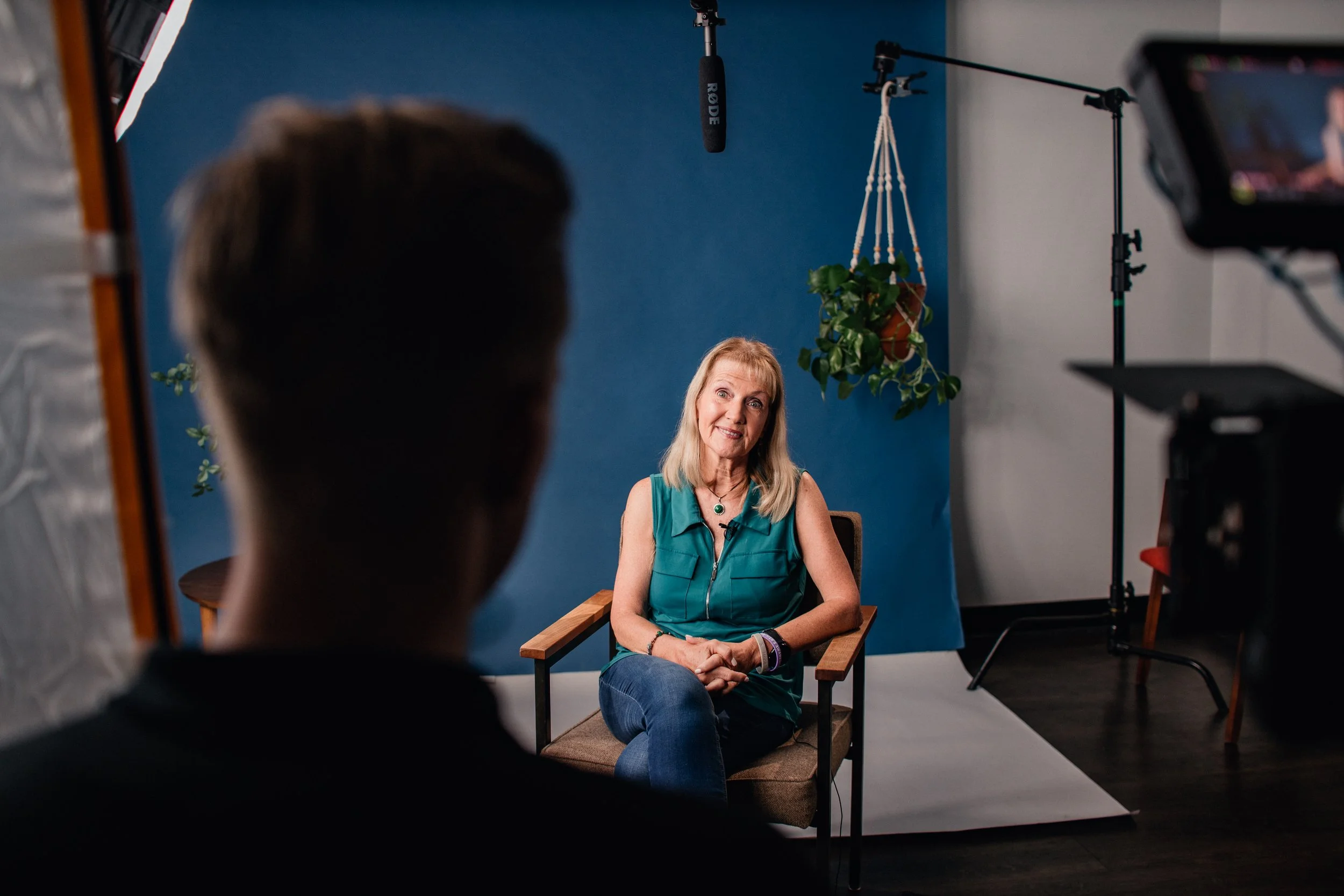
Lighting
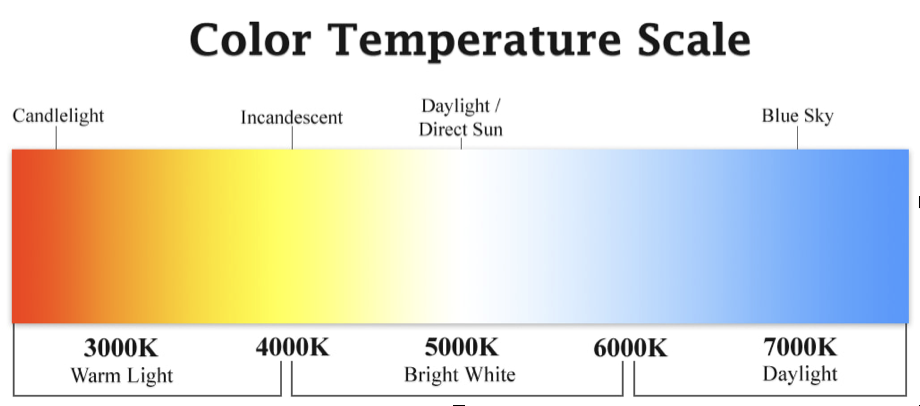
Not all lights are created equal. To an untrained eye, most lighting may look the same, but professionals see major differences—especially in color temperature, which is measured in Kelvin. Color temperature can range from blue to green to yellow, and when lighting isn’t controlled, those differences become noticeable on camera. Here is an example of the color temperature scale.
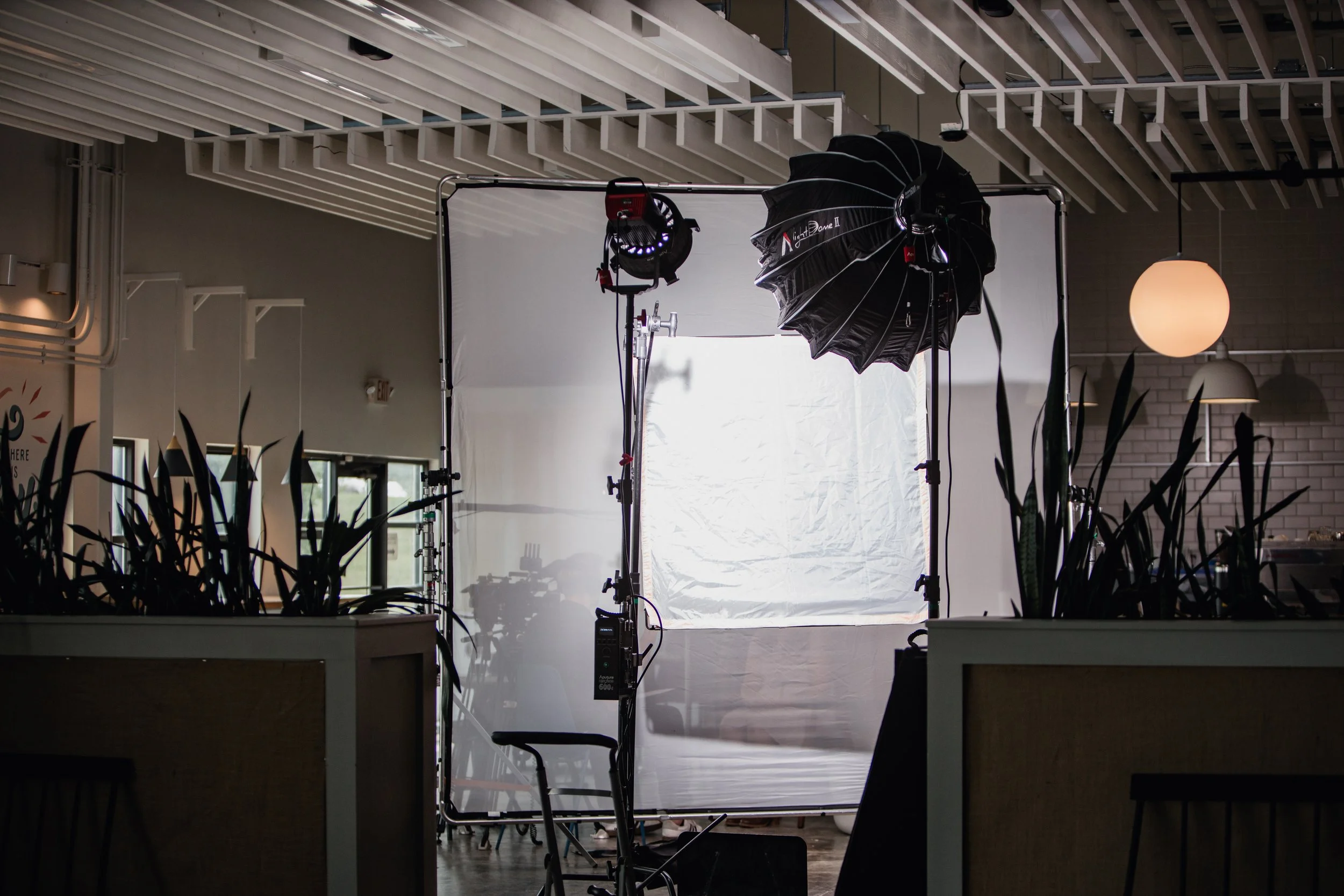
Fluorescent lights behave very differently from LEDs, which is why cinematographers and gaffers often turn off overhead lights. Doing so allows them to fully control the look and tone of the scene. Professional lights also come with multiple components, such as remotes, power cables, and modifiers, all of which help shape the light. Setting up a single light can take several minutes, and most productions require multiple lights to achieve a clean, balanced look
Every decision made in pre-production is intentional and designed to maximize impact.
Stands and Flags
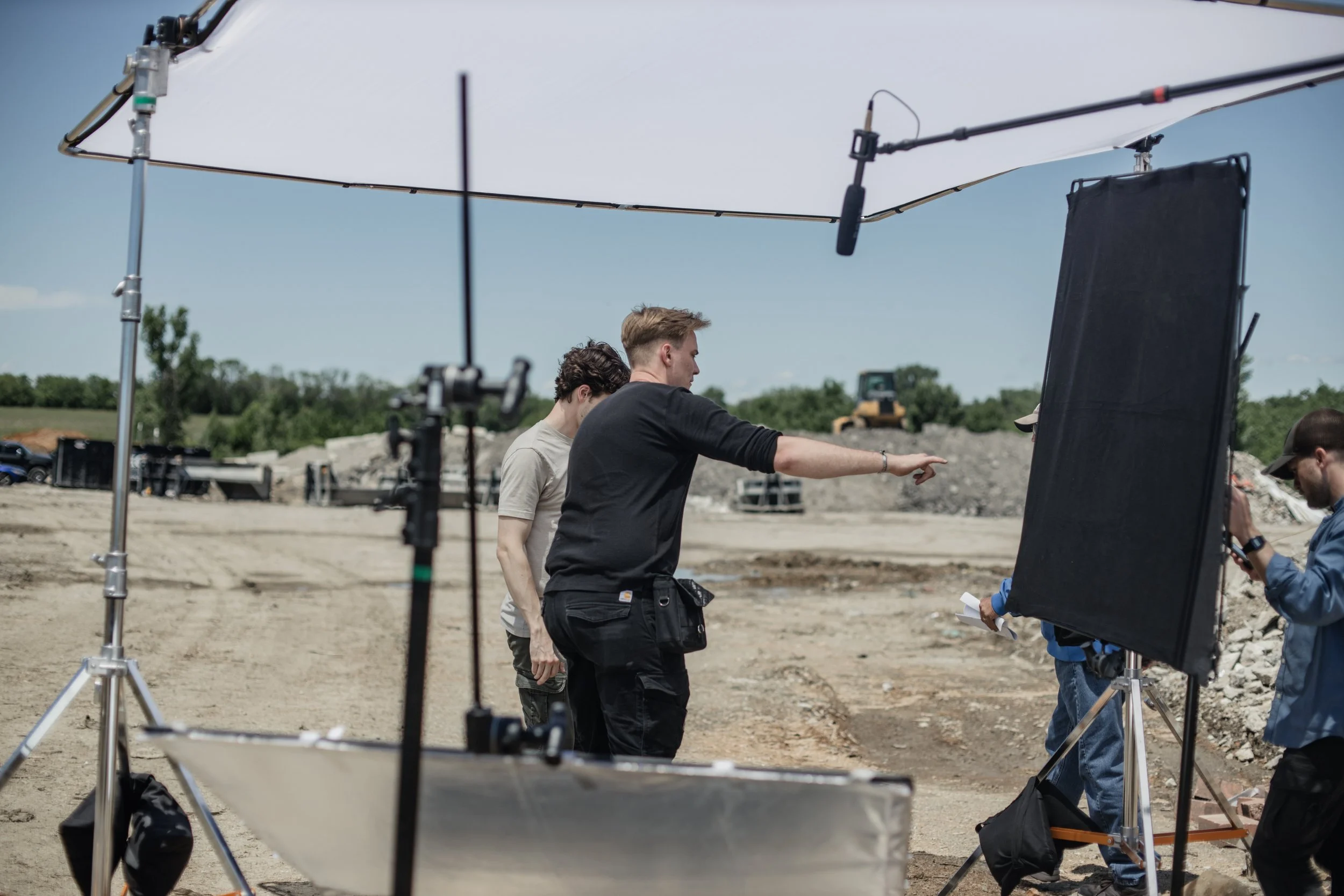
Once lights are chosen, they need proper support. One of the most common tools used on set is the C-stand. These heavy-duty stands are extremely stable and versatile, capable of holding lights, flags, and other equipment at various angles. Any piece of gear that needs to be elevated requires a stand. For example, three lights and two flags already mean five stands, not including additional support for audio equipment like a boom pole.
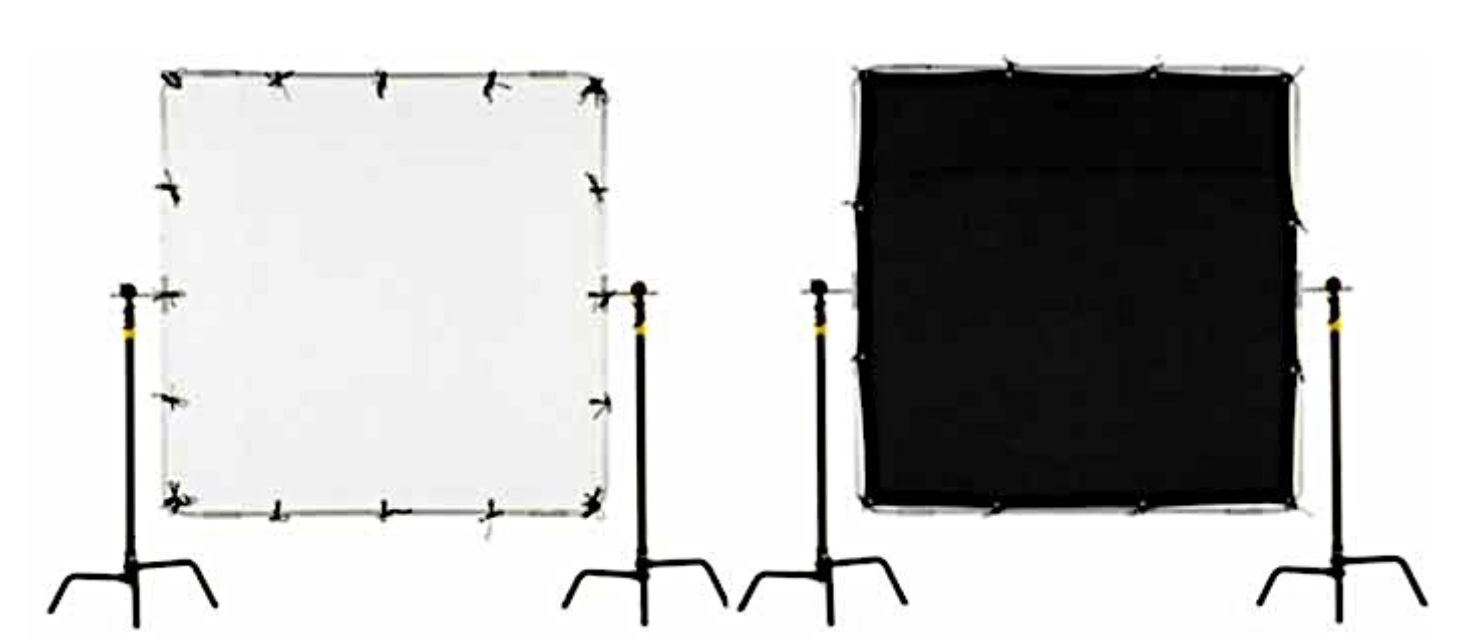
Flags are used to control and shape light. Some flags are translucent and help reduce brightness, while others are solid black and block light completely. Depending on how they’re positioned, flags can eliminate harsh shadows, reduce unwanted reflections, or prevent light from bouncing back onto a subject’s face.
Camera Placement
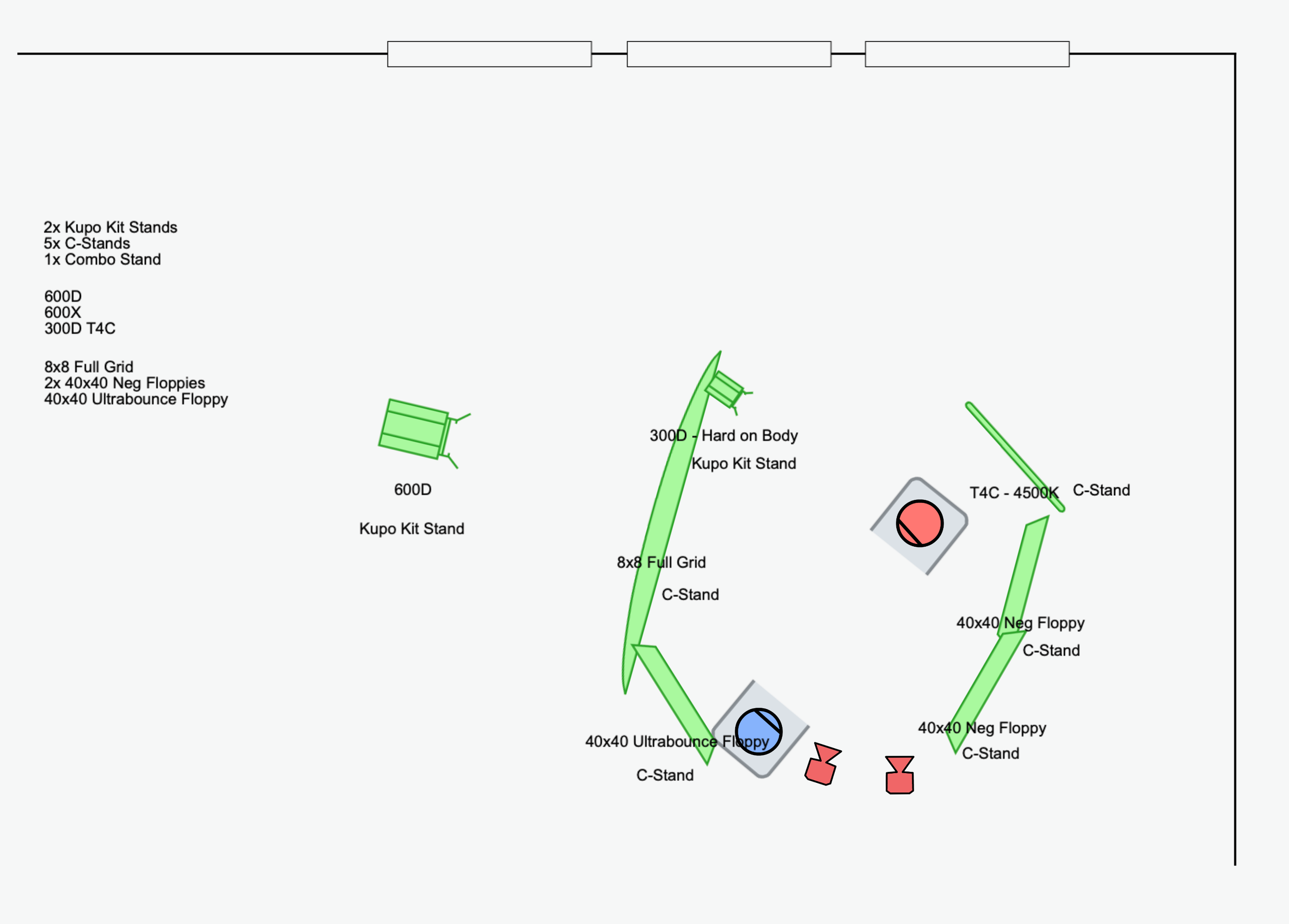
Camera placement is one of the most important decisions made during production. Where the camera sits determines where lights go, how stands are positioned, and what areas need to be flagged. Because of this, camera professionals take time to carefully evaluate the space and choose the best angle before filming begins. Here is an example of camera placement. There are two cameras on this particular set, with one subject. One camera is looking more head on where as the other camera is looking more towards the side of the subject. You can also see the flags and lights that were set up in order to create the right look. While this shot design was created before a shoot (this one was done for a short film) this gives a picture of what the crew needs to set up to create a look.
The Day of the Shoot
On production day, the crew arrives early to scout the location, finalize camera placement, and set up equipment. How early they arrive depends on the scope of the project. Smaller, more condensed shoots may require up to an hour of setup, while larger commercial productions require teardown and repositioning until the shoot is completed.
Once filming is complete, the production crew tears down the equipment, packs everything up, and leaves the space exactly as they found it—bringing the production part full circle.