

From Footage to Film: The Final Stage of Video Marketing Process
The final stage of the production process is post-production. Once the content has been captured, it’s time to transform that footage into a polished, meaningful deliverable. Up to this point, you’ve planned, created, and filmed your video. Now comes the work of shaping everything together into a cohesive story that captivates your audience.
Editing is often the most time-intensive part of the entire production process. From pre-production to final delivery, much of the waiting period happens during this stage. Post-production involves organizing footage, reviewing content, editing and color correcting, refining audio, adding graphics, and finally exporting and delivering the finished product.
Organize and Review
A critical first step in editing is organizing and reviewing all captured content. This includes sorting footage based on the number of cameras used and placing files into clearly labeled folders.
Depending on the volume of footage, uploading files from SD cards can take anywhere from a few minutes to several hours. Once everything is properly stored on the computer and imported into your editing software, the review process begins. Editors carefully watch all usable footage to determine what works best and what should be set aside before beginning the actual edit.
Edit and Color
Editing and color correction are both part of post-production, but they serve distinct purposes.
Editing the Story
Editing is the process of stitching together footage to tell a clear and compelling story. The approach depends entirely on the type of video being created.
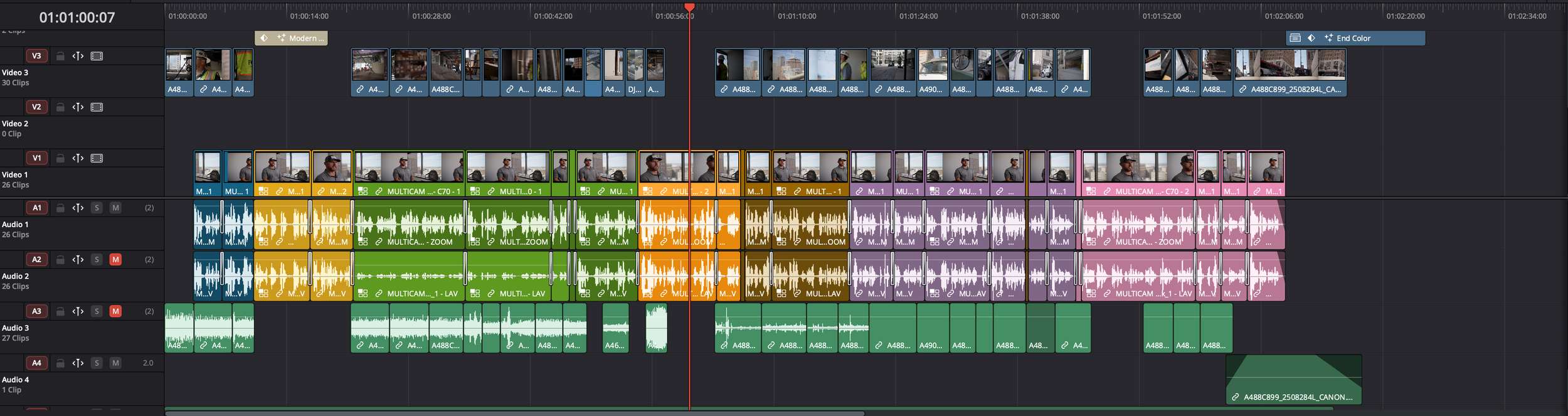
For example, at Blume, our typical testimonial setup uses two cameras—one positioned directly in front of the subject and the other slightly off to the side. During editing, we first sync both camera angles along with the audio tracks. Once synced, we listen through the interview multiple times, removing dead space, selecting the strongest clips, and identifying the most impactful parts of the story.
From there, we often build multiple timelines or versions before arriving at the final edit. This refinement ensures the story flows naturally and communicates the intended message effectively.
Color Correction
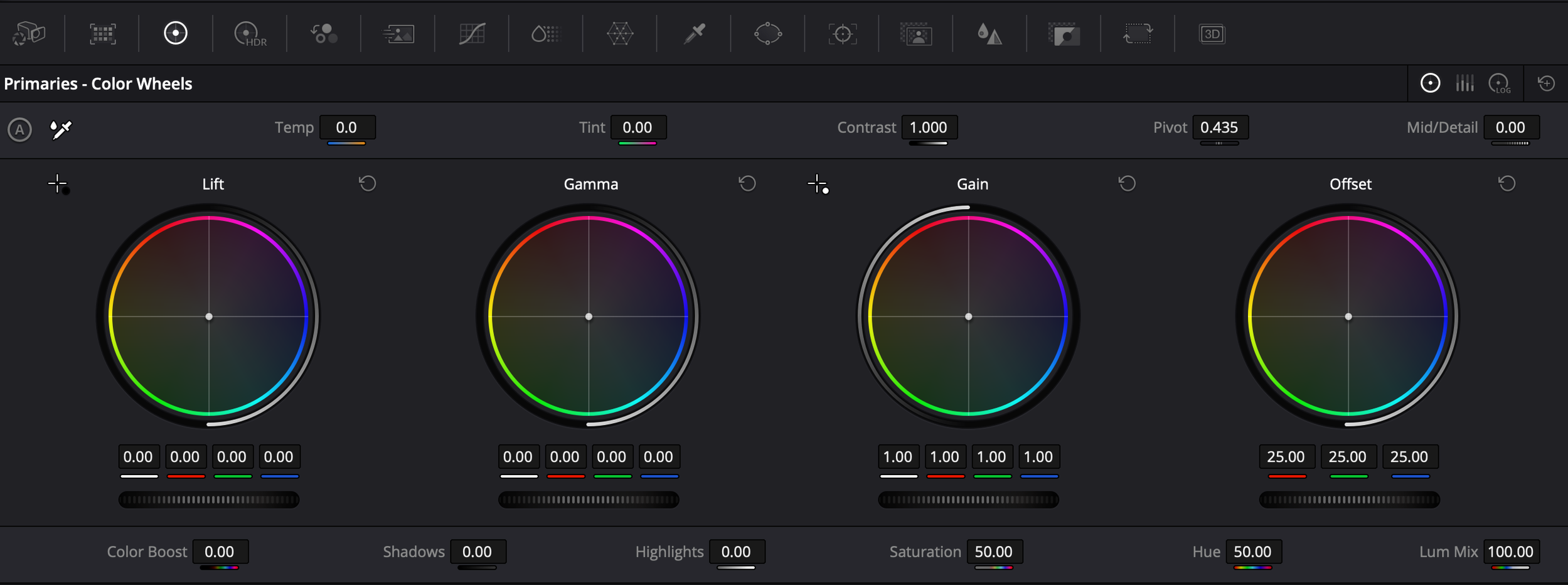
After the story is locked and the audio is refined, the editor adjusts the color using built-in color correction tools. This step ensures the footage accurately reflects the intended lighting and mood captured during filming.
It’s important to note that color correction can enhance footage—but it cannot fix everything. If lighting, shadows, or exposure weren’t handled properly during production, it may be impossible to fully correct them later. This is why professional production teams take time to properly light and frame every shot. “Fixing it in post” is not always the best solution for achieving a high-quality final product.
Audio and Graphics
Once the visual edit is complete, attention turns to audio. Audio adjustments may include selecting the clearest audio track, balancing levels, smoothing transitions between cuts, adjusting tone or pitch, and adding music.
Professional-quality audio takes time, but it plays a vital role in emotional engagement. Without strong audio, even the best visuals can fall flat.
Finally, graphics are added. Most editing software includes built-in animations and templates, but custom graphics can be created when the story calls for it. The time required depends on the complexity of the design and the tools being used.
For example, in our work with ProDEO—a safe after-school space for disadvantaged youth—we created custom graphics tailored specifically to their message. These visuals helped reinforce their story and elevate the final product.
Final Thoughts
Video production is an intricate process that requires thoughtful planning, clear processes, and time. Great deliverables don’t happen by accident—they are built step by step, from concept to final export.
When each phase is handled with care, the result is a polished video that tells a powerful story and connects with its audience.