

Understanding What You’re Paying for in Video Production: Pre-Production
Over the next few posts, I’m going to walk through the stages of video production and explain what you’re truly investing in when you hire a video marketing company. When you receive a quote, it’s common to ask, “What am I actually paying for?”—especially when the details aren’t always obvious at first glance.
There are three main stages of video production: Pre-Production, Production, and Post-Production. Each stage plays a critical role in creating effective video content, but it all starts with Pre-Production. This is where the strategy is built—defining your message, identifying your audience, choosing the right approach, and determining the resources needed to execute it successfully.
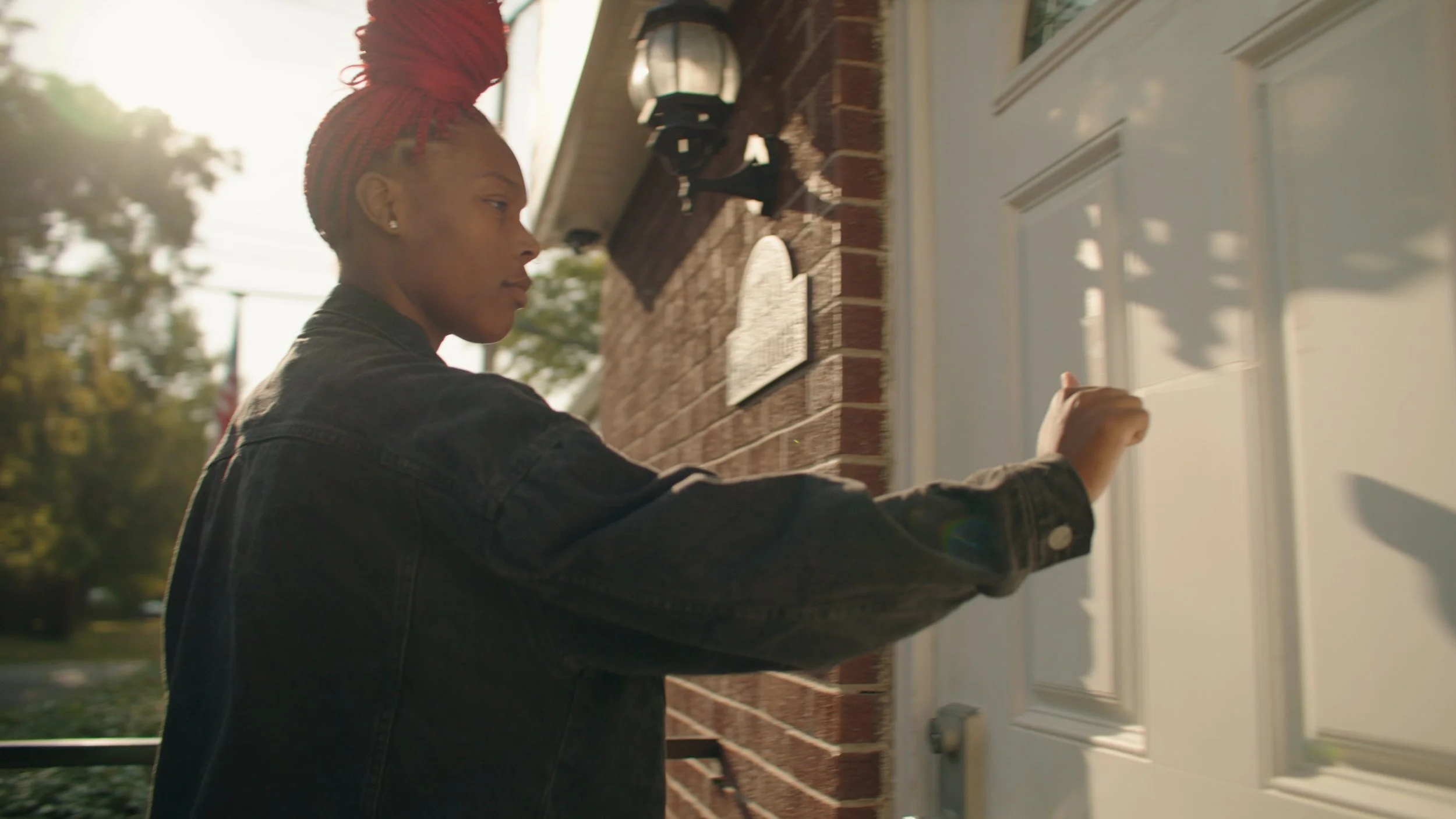
What Goes Into Pre-Production?
Pre-production begins once a client confirms they want to work with us. At this stage, we coordinate schedules and identify potential shoot dates. During the discovery process, we’ve already discussed your budget and the deliverables you’re looking for. These factors determine how much footage we need to capture and how much time production will require. Simply put, larger and more complex projects take more time and planning.
This is where a marketing professional steps in to plan every phase of the process. They take time to understand your business values, goals, and messaging. Meetings are scheduled to align expectations and clarify the project scope. From there, the creative work begins—building a story that supports your objectives and delivers the highest return on investment.
The approach varies depending on the type of content:
Social media videos require a clear structure and intentional B-roll that supports engagement and performance.
Testimonials rely on carefully crafted questions that guide the interviewee into telling a compelling, authentic story.
Commercials and brand stories involve planning specific shots that visually communicate who you are as a company and what sets you apart.
Every decision made in pre-production is intentional and designed to maximize impact.
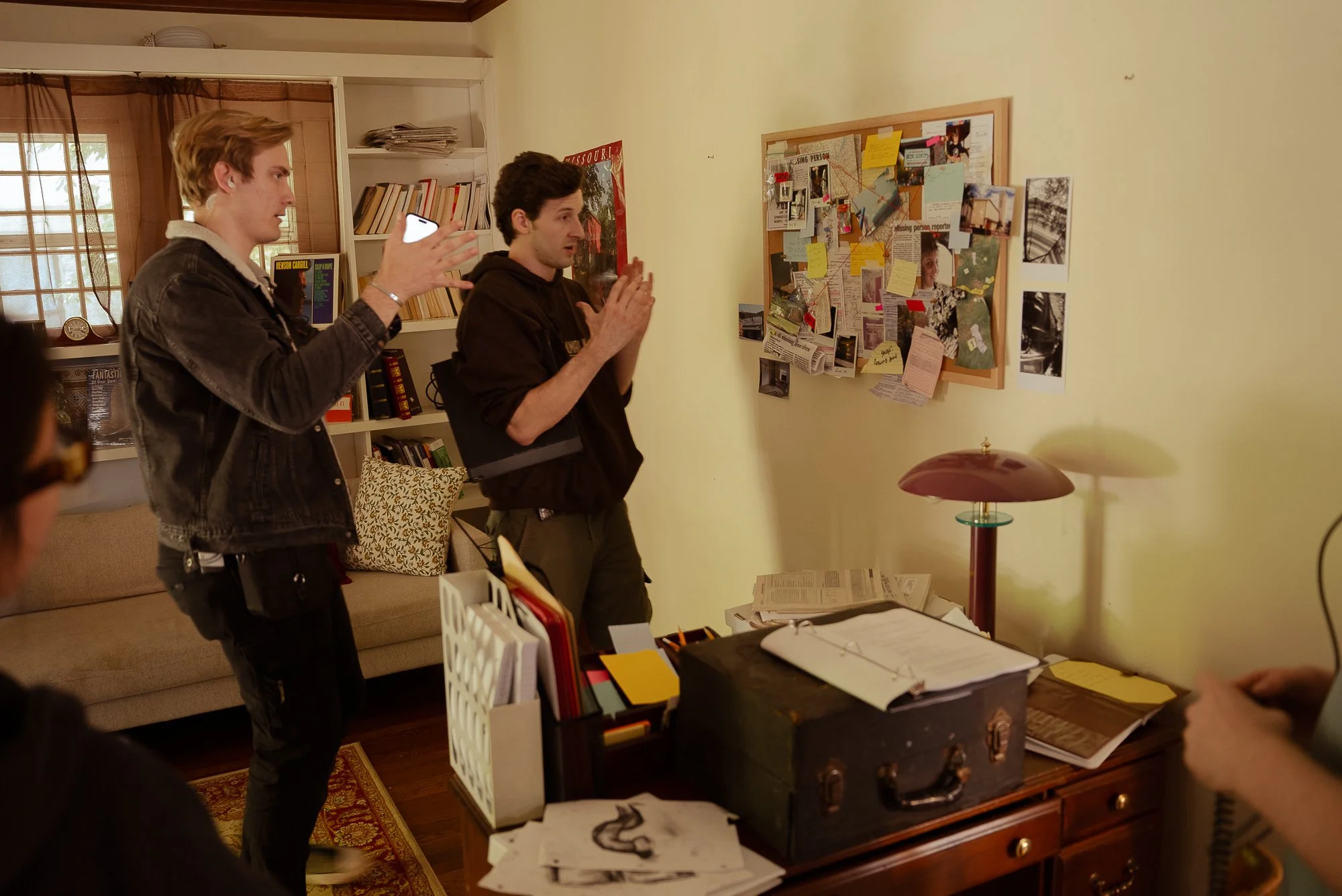
Why More Than One Crew Member?
Once the concept is finalized and the shoot date is set, we tap into our network of experienced, professional contractors—when the budget allows. A common question we hear is:
“Other videographers can do this with one person. Why am I paying for a full crew? Isn’t that overkill?”
It’s true—some videographers can handle a shoot solo. But when you hire a video marketing company, you’re not just paying for someone to press record. A major part of what we do is strategy, planning, and execution focused on ROI, not just creating something that looks cool.
Quality improves when each crew member is focused on a specific role. Think about how your own business likely started—maybe it was just you, or you and a partner. As your company grew, you realized you couldn’t do everything well on your own, so you hired people who specialized in different areas. That investment made your business more efficient and, over time, more profitable.
Video production works the same way.
A single person handling camera, audio, lighting, and logistics is juggling dozens of responsibilities at once. When you have a focused crew the shoot runs faster, smoother, and with higher quality results. Specialists do what they do best, and the final product reflects that.
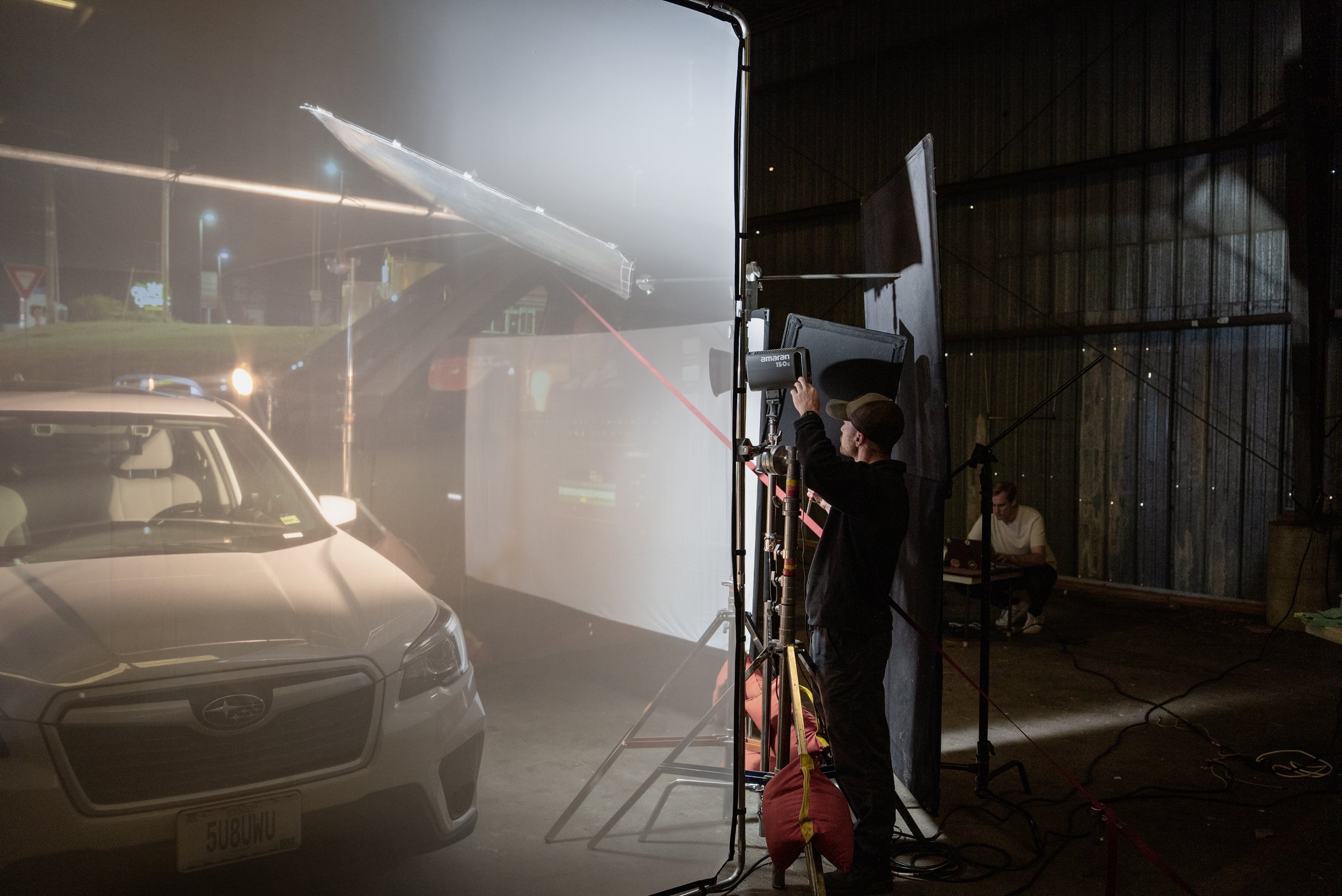
Common Crew Roles You May See in a Proposal
When reviewing a proposal, you might notice crew titles that aren’t immediately familiar. Here are some of the most common roles:
Director – Oversees the entire story and creative vision, guiding the crew to bring it to life.
Producer – Acts as the bridge between the client and the production team, ensuring the vision aligns with your goals.
Director of Photography (DP) – Responsible for camera work and lighting, translating the creative vision into visuals.
Grip – Handles heavy equipment such as stands, lighting rigs, and support gear.
Assistant Director (AD) – Keeps the production moving efficiently, managing schedules and crew coordination.
Editor – Crafts the final story in post-production, ensuring deliverables are polished, on time, and high quality.
Each role contributes to a smoother process and a stronger final product.
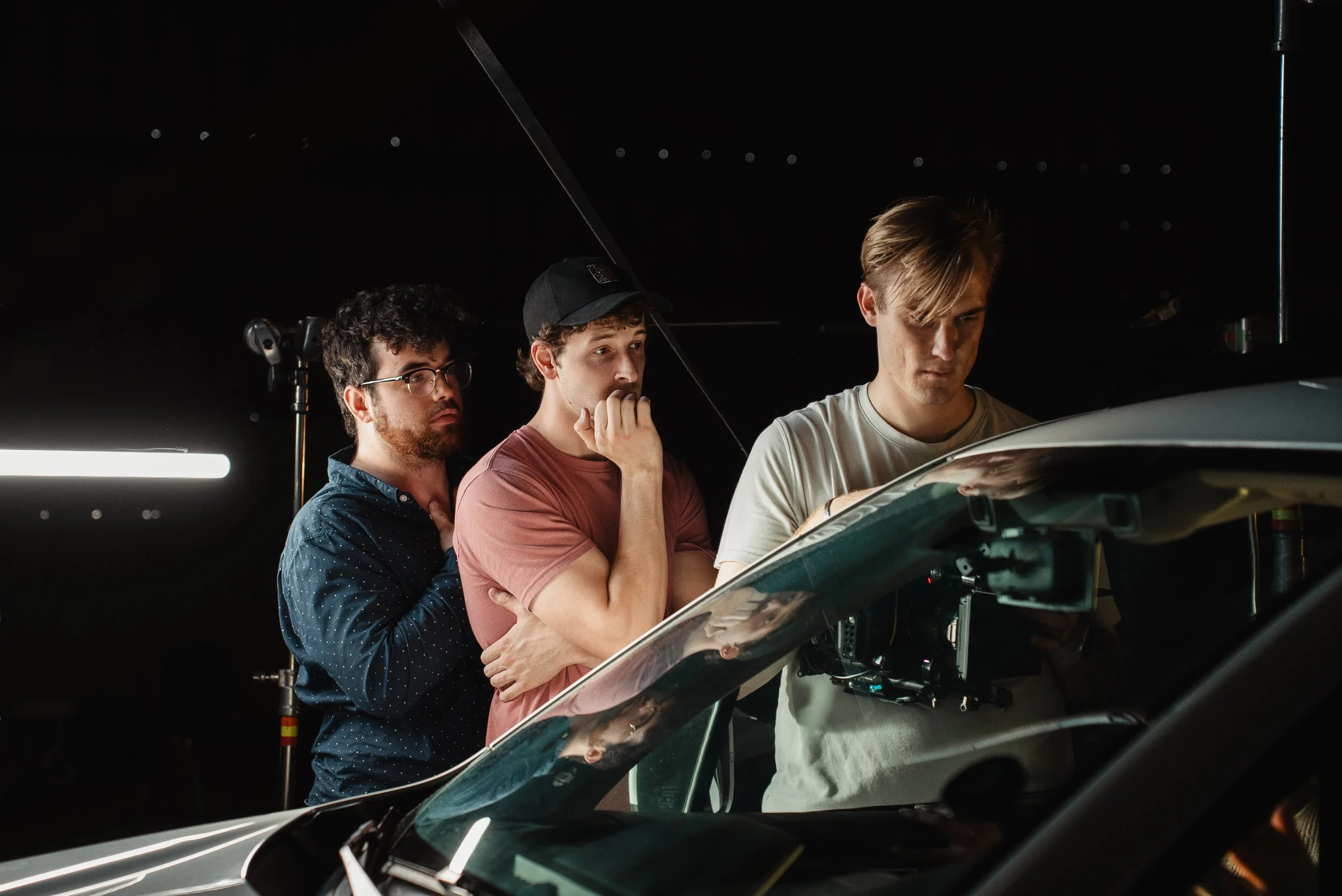
Equipment: Why Rentals Matter
After securing the crew, we determine what equipment is needed. While Blume owns a wide range of professional gear, we don’t own everything. Sometimes we rent specialized equipment to achieve a specific look or meet the demands of a project.
To an untrained eye, cameras and lighting equipment may all look the same. You might even wonder, “You already have a camera—why rent another one?” The reality is that every piece of equipment serves a different purpose. Even small differences can dramatically affect the look and feel of a video. One camera can produce a completely different image than another, and the same goes for lighting and audio gear.
This leads to a common misconception: “Can’t AI do this?” or “I can just shoot this on my iPhone.” While those tools can create video, there’s often something noticeably different than if shot with a professional camera. Well-produced video should feel real—immersive, authentic, and intentional. That level of quality comes from thoughtful planning, skilled professionals, and the right tools working together.
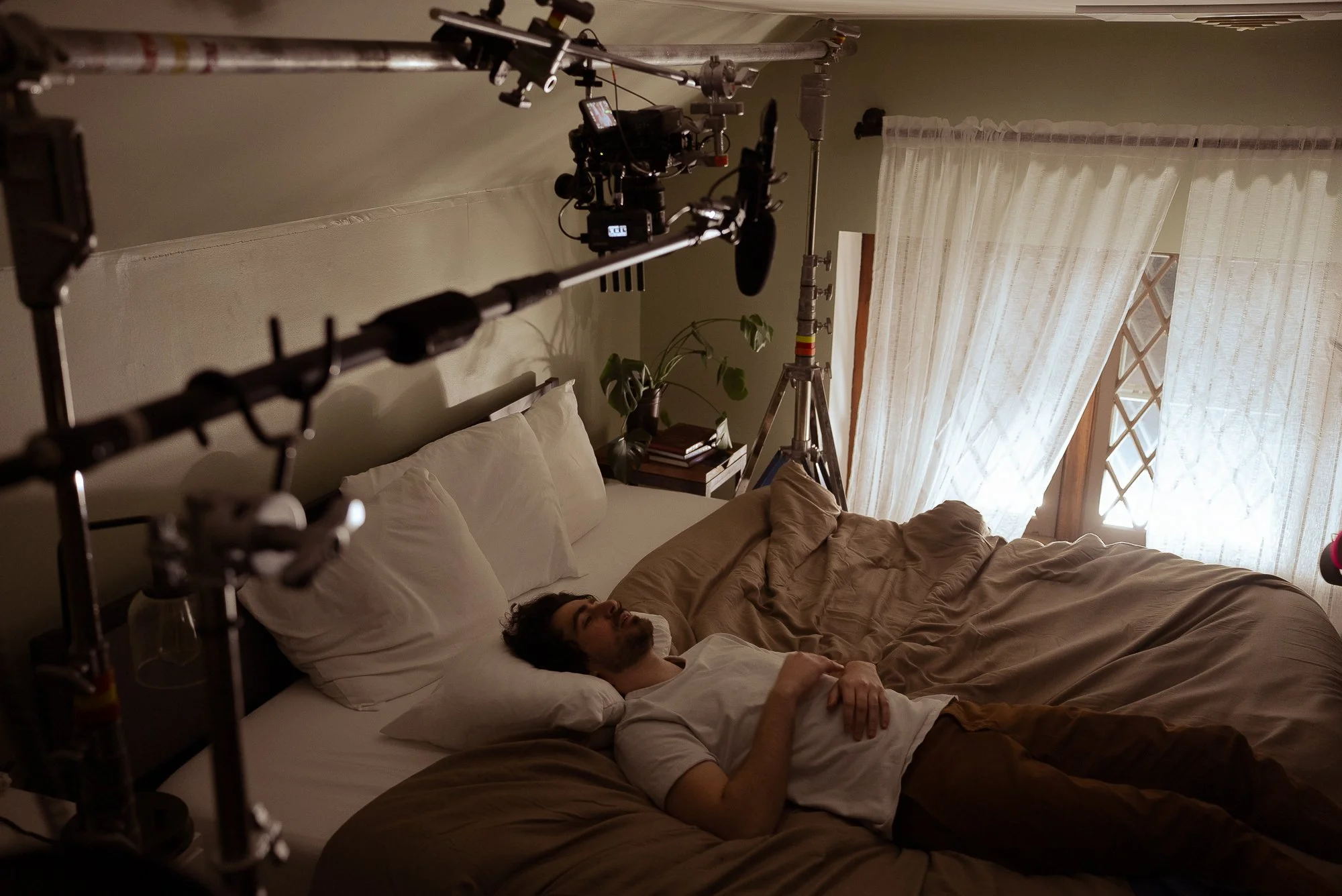
Pre-production may not be the most visible part of video creation, but it’s the foundation that everything else is built on. And when done right, it’s what makes the difference between a video that simply exists and one that truly performs.